


Key Takeaways
- Cocoa shell mulch is a rarity in the UK: a handful of small-bag suppliers, no bulk supply at all, and a cost per square metre several times that of bark for the same depth of cover.
- Cocoa shells contain theobromine, the compound that makes chocolate poisonous to dogs, and the chocolate smell actively draws dogs to eat them. With a dog in the garden, or next door, I would avoid them.
- Cocoa shells wetted in after spreading knit into a porous mat that lets rain through but starves weed seeds of light, but in a wet spell the layer can bind into a hard cap that seedlings cannot push through.
- White surface mould on cocoa shell mulch after rain is common and pretty harmless.
- Composted bark fines or spruce mini chip give the same fine, dark finish for a fraction of the price, without the dog risk.
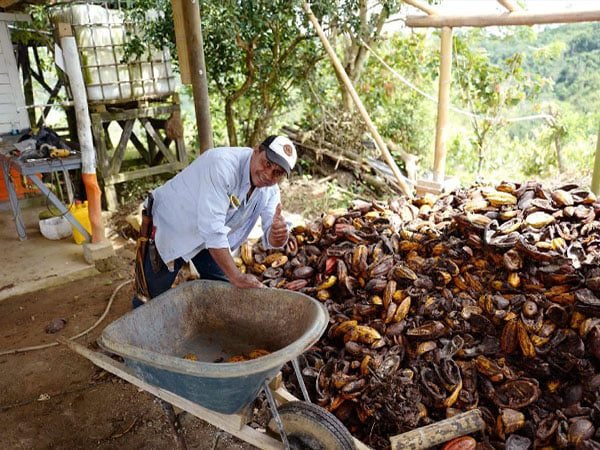
I get asked about cocoa shells the same way every time: someone has been round a show garden in spring, caught a smell of chocolate off the beds, and come home wanting the same thing. The material is real and it does work. The problem is everything around it: you can barely buy the stuff in Britain, what you can buy is really expensive for what it covers, and if there is a dog within reach of the bed it is a risk.
We sell bark and wood chip mulches, and we are never going to stock cocoa shells, so keep that in mind. Here is a rundown, followed by what I use to get the same look without the downsides.
What Is Cocoa Shell Mulch?


Cocoa shell mulch, also sold as cocoa bean hull mulch, is the roasted outer husk of the cocoa bean, separated during chocolate making and sold as a fine, dark, sweet-smelling garden mulch. Hull, husk and shell all mean the same thing here, whatever the bag says.. The shells are small, flat and light, a rich brown that darkens with age rather than bleaching out, and for the first few weeks they carry an unmistakable chocolate smell. Roasting sterilises them, so unlike some cheap bark there are no weed seeds riding along in the bag.
The shells are slightly acidic, at a pH of around 5.8, and break down slowly, feeding a modest dose of nitrogen, phosphate and potash into the soil as they go. On paper, a lovely material. The catch comes when you try to buy it.
Is Cocoa Shell Mulch Available in the UK?

Cocoa shell mulch is genuinely difficult to buy in the UK: a few small-bag specialist suppliers, no bulk bags, and none of the major merchants stocking it. Search for it and you will see what I mean. The sellers that come up are a chocolate maker here, a restaurant garden there, the odd 2.5kg novelty bag. The branded 50L bags that used to sit in garden centres have largely vanished.
The reason is simple: the shells are a by-product of chocolate roasting, supply follows the roasters, and this country does not roast much cocoa.
That scarcity sets the price. A 50 litre bag covers roughly two thirds of a square metre at a proper 7.5cm mulching depth, so dressing even a modest border means a stack of small bags at small bag prices, while a single bulk bag of bark covers twenty times the area. For a bed or two of something special it may be worth the cost for some. As a general garden mulch it makes no sense in the UK.
Is Cocoa Mulch Toxic to Dogs?

Cocoa mulch is toxic to dogs. The shells carry theobromine and caffeine, the same compounds that make chocolate dangerous, and the chocolate smell positively invites a dog to eat them. Fresh shells can hold up to about 3% theobromine by weight, gram for gram in dark chocolate territory. A dog that eats a decent mouthful can end up with vomiting, restlessness and tremors, or worse, with puppies and small breeds most at risk.
Recorded poisonings are rarer than the scare stories suggest, counted in dozens rather than thousands, and plenty of dogs walk past the stuff without a second sniff. I still treat it as a hard no. The smell that sells the product is the same smell that draws the dog, you cannot supervise a border, and a neighbour’s terrier does not read warning labels. If a dog does get into it, ring your vet straight away rather than waiting to see.

Cats mostly hate walking on the texture, which is where the shells’ cat-deterrent reputation comes from, but the theobromine is toxic to them too if they ever did eat it.
If there are dogs anywhere near your garden, I would skip the rest of this article and go straight to the bark grades I recommend instead.
What Cocoa Shell Mulch Does Well

Cocoa shells, on the right bed, perform. Their party trick is the mat. Spread them 5 to 7.5cm deep, wet them in, and the shells glue themselves into a loosely knitted crust that rain passes straight through but light does not. Weed seeds underneath never get going, and the few that land on top root so shallowly you can flick them out with a finger. Once the crust forms the layer stays put in wind; before it forms the dry shells will blow about, so pick a still day and get the hose on straight after spreading.
They can look great where chunky bark looks worse: spring bulbs, bedding, alpine troughs, and around specimen roses, where the fine texture flatters the planting. The slight acidity suits rhododendrons, camellias and blueberries, and the dark surface pulls in warmth, useful for an early start in spring. As a pot topping they are clean, light and tidy, though the dog warning applies double to a pot by the back door, at nose height.
Cocoa Shell Mulch Problems: Mould, Compaction and Cost

Cocoa shell mulch has three recurring problems: surface mould, a compacted cap in wet weather, and a price that punishes. The mould is the one people panic about. A white fuzz on or just under the shells after rain is normal, usually a harmless fungus working on the sugars, and sometimes it is doing the bed active good. Turn the layer with a hand fork and it goes; cutting the shells roughly two-to-one with sawdust or pine needles can keep it at bay.
The cap is the real problem in certain scenarios. In a properly wet spell the binding that suppresses weeds goes too far, setting the layer into a hard, near-waterproof crust that seedlings cannot break and water beads off rather than soaks through. Then you are breaking it up by hand around your plants, which is miserable work. After six months or so the shells also go slimy underfoot, so keep them off anywhere you walk. And rodents love the smell: store spares in a sealed tub, not the bag, or the mice will do the opening for you.
At bark prices you would shrug and rake all this over. At cocoa prices, a capped, mouldy bed you have to strip is money composted.
What to Use Instead of Cocoa Shell Mulch

The closest match we sell for the cocoa shell look is composted bark fines: fine textured, properly dark, and an active soil improver as it breaks down. For a crisper finish that holds its shape longer, spruce mini chip is the small, neat grade I use on show borders. Both do the weed-and-moisture job, neither tempts a dog, and both arrive as bulk bags on a lorry rather than a parcel of novelty bags.
| What you want from the bed | Cocoa shells | What I would lay instead |
|---|---|---|
| Fine, dark finish on an ornamental border | Lovely, if you can find them | Composted bark fines |
| Neat texture that holds its shape | Cap and slime risk in wet years | Spruce mini chip |
| Mulch for acid-loving plants | pH around 5.8 suits them | Pine bark grades |
| Dogs use or pass the garden | Genuine poisoning risk | Any plain bark or wood chip |
| Covering a big area on a budget | Several times bark’s price | Economy bark in bulk bags |
For acid-loving beds specifically, the pine bark range covers the same ground the shells’ acidity does. Laying any of them is the same job as laying the shells, minus the wetting-in ritual: my full method is in how to lay bark, and the bark and wood chip calculator will tell you how many bags the bed actually needs before you order. For the full list of alternatives, see my guide to choosing the right garden mulch.
If you are looking for an alternative to cocoa shell mulch and would rather talk it through with a person, ring Outdoor Aggregates on 0330 043 7585. The office is open 7am to 7pm, seven days a week.
FAQs
Are cocoa bean shells a good mulch?
Cocoa bean hulls make for a fine mulch however in the UK the scarcity, the price per square metre and the risk to dogs rule them out as a general choice.
Is cocoa bean hull mulch the same as cocoa shell mulch?
Cocoa bean hull mulch and cocoa shell mulch are the same product under two names, both meaning the roasted husk left over from chocolate making. American sellers tend to say ‘hulls’ whilst British ones say ‘shells’. The dog risk and the price problem apply either way.
How long does cocoa shell mulch last?
Cocoa shell mulch lasts a year or two on most beds, less in a wet summer, since the shells break down faster than chunky bark and a badly capped or mouldy patch can need stripping well before then.
What is the safest mulch to use around dogs?
Plain untreated bark or wood chip is the safest mulch around dogs: no theobromine, no dyes, and nothing in the smell to invite eating. I would avoid cocoa shells entirely and treat anything strongly scented with suspicion.
Does cocoa shell mulch attract rodents?
Cocoa shell mulch attracts rodents mainly in storage, where mice and squirrels will chew through the bags for the smell. Spread and wetted in on a bed, it is far less of a draw, though the scent takes weeks to fade.