

A Proper Floor is no Paltry Matter

By Ben Parrot – Landscape Gardener & Amateur Geologist
Table of Contents
Overview
My family have successfully farmed hen eggs since I was a boy and I’ve also built numerous domestic chicken coops over my lifetime, and the key to raising happy and healthy hens for your eggs begins with creating the best environment for them to thrive in. A vital aspect is the flooring material. As a floor covering, I recommend using hardwood wood chips for chicken runs. It has become a very popular and beneficial option to manage their health and well-being. In this article, I delve into the optimal way of using wood chips in a poultry coop from my previous experience, including how to choose the right type of hardwood chip and laying wood chippings correctly, right through to how to properly clean and maintain their home.

Key Takeaways
- Hardwood chips: Choosing the best type of material is essential to keeping happy hens for life. Softwood and bark is unsuitable.
- Surface issues: The right base and regular maintenance of depth is essential for creating a clean, mud-free environment.
- Pathway: Creating a safe walkway within the coop for you, the owner, is an important safety consideration.
Getting Your Coop Right (From Scratch)

Image by Wolfgang Ehrecke from Pixabay
Chicken wood chips are a specific, economical product made for poultry runs. They are also an eco-friendly and versatile material that can be used elsewhere around the garden to great effect, like as a mulch or garden path topping. However, achieving a healthy environment is not as simple as just buying a bag of wood chips and throwing them in the coop. It begins with the type of chips you use, then how you install and maintain them.
First: Choose Hardwood Chips for Chickens!
From a lifetime of raising chickens, my family had tried just about everything, from hay to cardboard to bark and grass. But, the ideal type of floor covering ended up hardwood wood chips. When you use hardwood chips for chicken run floors the surface will be more durable especially if sourced from trees like oak and maple, than one comprised of softwood chips which come from trees like pine and spruce. This makes them more suitable, as they are able to withstand all weather conditions and reduce the risk of respiratory issues. The durability of hard wood chips ensures a long-lasting solution for your chicken coop, making them chickens best friend.
Softwood Chips
While softwood chips can serve as a good mulch or ground cover, they lack the advantages of using hardwood chips. Softwood chips maybe slightly cheaper to purchase upfront, but they absorb more moisture and quickly turn mouldy, harbouring bacteria which can threaten your birds lives! Add to that the fact that they are far more prone to break down from the hens as they peck around, which means they will require more frequent replacement and therefore added cost. Bark is even worse.
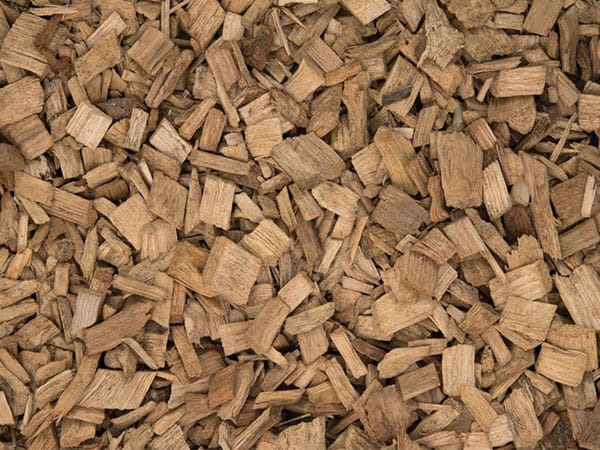
Our versatile chicken hardwood chips bring a clean, practical flooring to chicken runs and pet bedding, produced from quality mixed hardwoods. With a 5-30mm particle size, these fresh chips create a comfortable, drier footing that encourages natural scratching and foraging.
Don’t Use Bark for Chicken Run Surfaces
Avoid using bark chippings or even wood chip blends that contain bark. The function of bark as a mulch is to absorb and retain water, which is the exact condition you’re trying to avoid. Furthermore, bark releases aspergillosis spores, which can seriously harm chickens. You can read about it here.
Recycled Wood Waste
Recycled wood waste is a sustainable and eco-friendly option for chicken coop flooring. It promotes a hygienic environment for chickens, provides stimulation, and ensures their overall well being. Additionally, soiled chippings can be repurposed for flower beds after use in the run. However, before using recycled wood, it’s crucial to assess its quality, safety, and bark composition before adding to your coop.

Building Your Chicken Run: More Than Just Surface Issues
As previously covered, designing a poultry floor optimally is key to creating a healthy, clean, and comfortable environment for your hens, using hardwood chips. The upcoming sections will cover surface issues such as the ideal hardwood wood chip depth, ways to minimise mud beginning with some guidelines about poultry surfaces.
Optimal Poultry Surface Guidelines
When it comes to creating an optimal poultry surface for your poultry with any materials, there are some key factors to consider.
- It’s vital to your birds health to create (and maintain) a clean, dry, and bacteria-free environment. The faster the poop can dry out, the better for their health.
- Maintaining this environment is easier when you have a surface that is easy to clean and very durable. However, while you can choose a surface that is less easy to clean and hard-wearing, it will also require more work to maintain.
- It’s important to ensure your flock has access to foraging and dust-bathing areas, as these activities are critical to their welfare. This might mean adding a dust bath inside the coop to keep it dry.
- The best option would be one that meets all of these requirements.
However, the choice of flooring can depend on the size of your coop, as what works for a small run may be too costly for a larger space.

Image by nikolaus-online from Pixabay
Floor Covering Depth
To maximize the benefits of a wood chippings chicken run, it’s important to ensure proper floor covering and depth. A well-maintained run with the right kind of woodchip can help your chickens remain clean and healthy, while also offering an engaging environment for them to scratch and peck.
Combining Wood Chips with Other Materials
Blending wood chippings for chickens with other materials like sand or leaves can create a deep litter system. To do this, follow these steps:
- Dispense a layer of woodchip on the floor.
- Spread a layer of sand or compost on top of the woodchip.
- Amalgamate the two materials together.

Image by Hans from Pixabay
Pallet and Paver Pathways
Creating pallet and paver pathways in your chicken run can significantly improve the usability and cleanliness when you arrive to tend to the pack. Pallets can be used to elevate walking areas, keeping them dry and clear of mud, while pavers provide a sturdy, easy-to-clean surface that withstands the constant scratching and pecking of chickens. These pathways not only make it easier for you to navigate the run, but they also help to reduce the spread of dirt and bacteria.

Image by Winkser from Pixabay
Minimising Mud In Your Chicken Coop
Starting with a way of preventing damp, and thus mud from forming, is always advisable. For example, when giving consideration to chicken coops, segmenting and installing appropriate flooring in one smaller area during winter periods can be done easily until warm and drier weather arrives, especially in larger coops. You can also get an area covered for protection, fairly inexpensively.
When setting up poultry runs, it’s crucial to start by leveling the area and removing any sharp objects. Using pavers, turf protectors, or rubber mats can prevent the birds from digging down to the soil. If you opt for a turf protector or mat, secure it with pegs and install a border around the run to avoid losing woodchip. Populate your run with a 5-7.5cm thick layer of wood chip, then let your chickens explore their new, mud-free surface. Depending on your needs, both rubber mats and green turf protectors can be effective choices.

Image by Pexels from Pixabay
Chicken Coop Wood Chips: Keeping it Clean & Healthy
A well-maintained chicken run with hardwood woodchip can greatly contribute to the cleanliness and overall health of your chickens. Here are some steps to follow:
- Regularly rake the wood chips to remove any waste or debris.
- Wash the wood chips with water and a mild detergent to keep them clean.
- Use disinfectants specifically designed for poultry to kill any bacteria or parasites.
- Apply ground sanitizing powders to further prevent the growth of harmful organisms.
Subsequent sections will further expand on the various processes and steps to maintaining clean and healthy coops, including the use of hardwood woodchip.

Regular Raking and Washing
To ensure sanitary conditions and prevent any unpleasant odors, it is important to maintain the hardwood woodchip in your chicken run by raking and turning them. Additionally, flipping the wood chips approximately once a month and replacing them one or two times annually can help maintain the cleanliness.

Disinfectants and Ground Sanitising Powders
Disinfectants and ground sanitising powders play a crucial role in treating parasites and germs in your chicken run, guaranteeing a secure environment for your poultry. Some products that can be used to maintain the ground cleanliness and freshness in your chicken run include:
- Run Sanitising Powder
- Diatomaceous Earth
- Neem Oil
- Apple Cider Vinegar
Regular use of these natural product can help safeguard against parasites and germs in your chicken run, promoting a safe and healthy environment for your happy hens.

Refreshing and Replacing Floor covering
When you use hardwood woodchip for chicken run floor covering, over time, the wood chip in your chicken run will need to be refreshed or replaced to maintain optimal living conditions for your poultry. Knowing when and how to replace the wood chips is crucial for a clean and healthy pen.
When to Replace Chicken Run Wood Chips
There are several signs that may indicate it’s time to replace the wood chips in your chicken run, including:
- Discoloration
- Presence of foreign objects
- An unusual and unpleasant odor
- A strong, persistent smell in the atmosphere
Mold or fungi growth, characterized by discoloration, presence of spores, and a musty odor, is another sign that the wood chips need to be replaced. Lastly, a soft, spongy texture and a sour smell could indicate the breakdown or decomposition of the wood chips, necessitating their replacement due to high moisture content.

Calculating Wood Chip Needs
To determine the amount of wood chip needed for your chicken run, you use an online calculator, such as our wood chip calculator. All you need are the length and width of the area you wish to cover, and the depth of the wood chip floor. Once you put this into the calculator it will give you an estimate of the amount of wood chips required to maintain a clean and healthy environment for your hens. Remember to maintain a depth of wood chips in your chicken run between approx 5-10 cm.
Sourcing Quality Chicken Wood Chips
Finding quality wood chip for your pets is essential to ensure a clean and healthy environment. There are several options available for sourcing wood chips, including local suppliers and bulk bags.
Local Wood Chip Suppliers
Sourcing wood chip from local suppliers has numerous benefits, including:
- Supporting a great product from local businesses
- Ensuring a sustainable supply
- Reducing your environmental footprint
- Contributing to job creation and economic development in your community.
You can find local wood chip suppliers by finding their website or consulting with your local community. It’s important to evaluate the quality and safety of the wood chips prior to use, keeping in mind that seasonal variations can influence their condition.

Delivery of Bulk Bags
Purchasing wood chip in bulk bags or in boxes from affordable suppliers can be both convenient and a good value. Bulk bags allow you to have larger quantities delivered, potentially leading to savings in the long run.
Summary
In conclusion, wood chips are a highly beneficial and versatile option for chicken run flooring. By choosing the right type of wood chips, maintaining proper depth and a cleaning process, and sourcing from reliable suppliers, you can create a clean, healthy, and engaging environment for your birds. With the right care and attention, your chicken run will not only be a safe haven for your poultry but also a sustainable and eco-friendly solution for your garden.

Image by lushtk0 from Pixabay
FAQs
How do I get wood chips for chicken run near me?
Searching for hardwood wood chips near me? Hardwood chip consisting mostly of 10 – 30mm particle sizes in a 50 Litre sack cover an estimated 1 square meter to a depth of 50mm.
Is wood chippings OK for chickens?
Wood chippings can be a great addition to a chicken run, as long as they are of a the hardwood chip variety. Hardwood woodchip is more resistant to releasing fine spores which can cause respiratory illnesses in chickens.
What is the best woodchips for chicken coops?
The best woodchips for chicken coops are hardwood woodchip due to their hard-wearing, clean, and damp resistant. They provide a soft and cushioned texture for the chickens to roam, scratch, and peck on as well as being mostly 10 – 30mm particle sizes with softened edges and very little garden bark.
What should I put down in a muddy chicken runs?
For a wet or muddy chicken run, I recommend layering the ground with sand, rubber chippings or gravel for improved drainage and adding a dry sandbox under cover for the chickens to dust bath in. Wood chips are also beneficial, as they break down slowly over time while offering your chickens food sources.
How often should wood chips be raked and washed in a chicken run?
Wood chips should be raked and washed at least monthly to maintain sanitary conditions and prevent unpleasant odors.
There are many wonderful types of wood chippings products available for your project needs. Check them out!